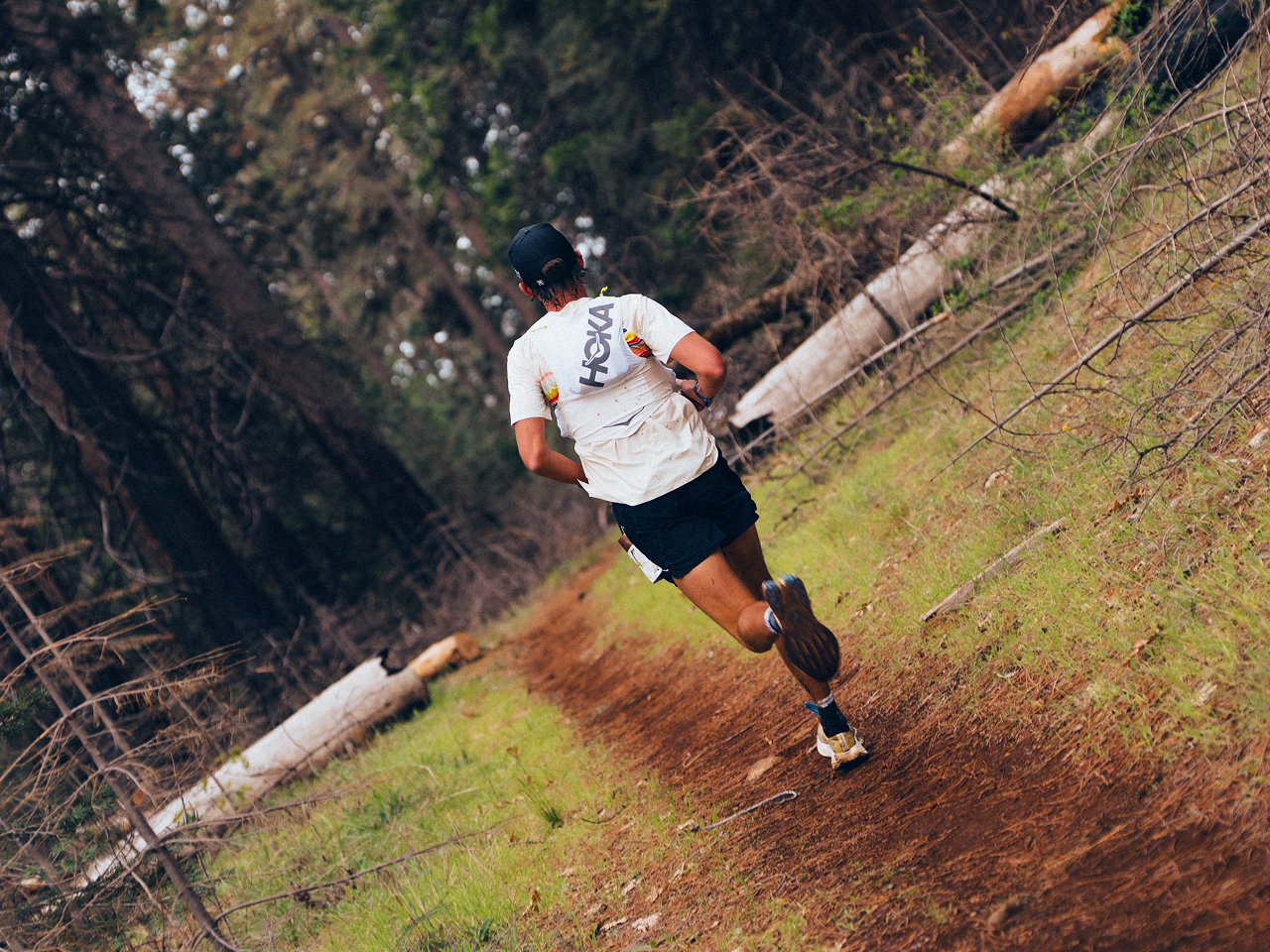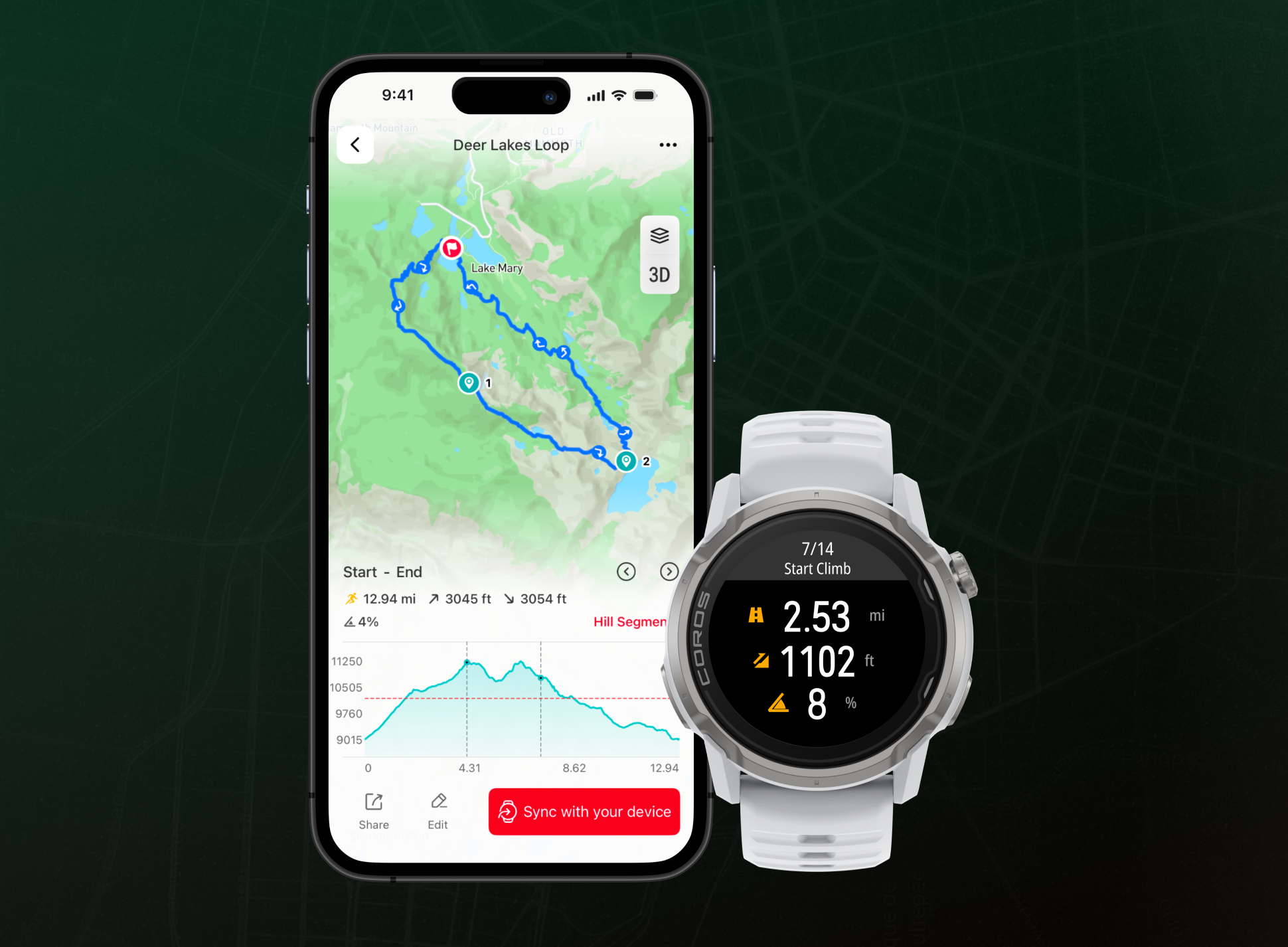


Every trail runner knows that fitness alone isn't enough once the trail points uphill.
Long climbs test your pacing. Steep grades force you to decide whether to run or hike. Technical descents challenge your coordination as fatigue begins to build. And throughout it all, success depends on managing your effort.
The best trail runners aren't always the fastest runners. They're the athletes who distribute their energy wisely, move efficiently over changing terrain, and stay strong from the first climb to the final descent.
The four workouts below are designed to develop those exact skills. Whether you're training for your first mountain race or preparing for an ultra like UTMB, these sessions help you become a more complete trail runner.
1. Climb Smart: Learn to Pace Long Climbs
Download Here
Warm-up
- 20 minutes easy
Main Set
- 3 × 12 minutes uphill at Zone 2-3Recover with 5 minutes easy downhill jog or walk in Zone 1–2
Cool-down
- 10–15 minutes easy
Why it Works
One of the biggest mistakes runners make is attacking early climbs too aggressively. Heart rate rises quickly, fatigue accumulates, and the cost often isn't felt until hours later.
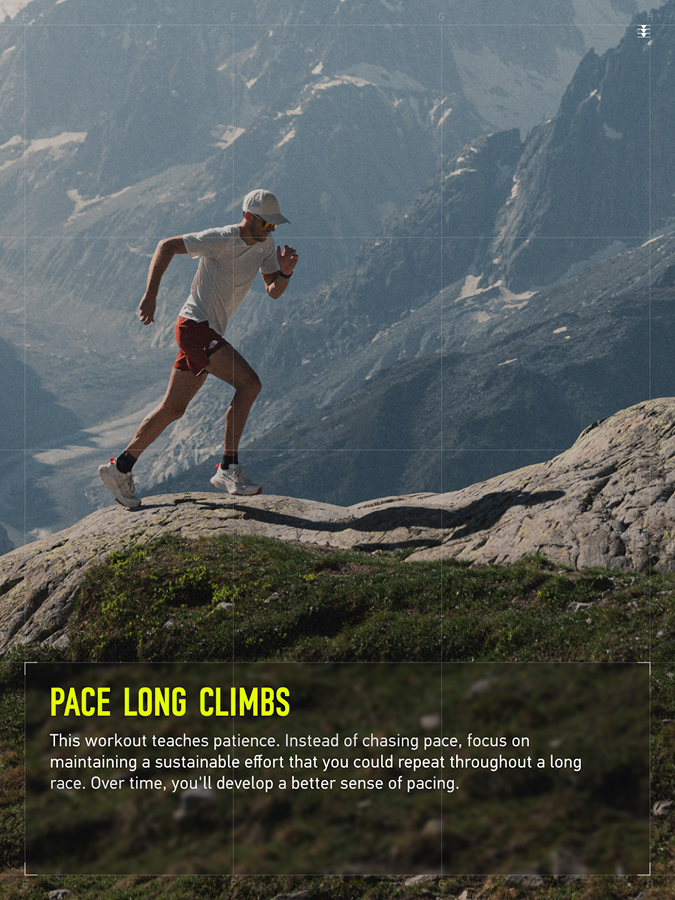
This workout teaches patience. Instead of chasing pace, focus on maintaining a sustainable effort that you could repeat throughout a long race. Over time, you'll develop a better sense of pacing while improving climbing efficiency.
COROS Focus
- Keep heart rate steady throughout each interval
- Compare average heart rate between repeats
- Review elevation gain and climbing pace to monitor consistency
When am I Improving?
As you perform this workout every few weeks, monitor your pace and elevation gain. As these metrics increase, while maintaining the same heart rate, your uphill efficiency is improving.
2. Uphill Strength + Run/Hike Transitions
Download Here
Warm-up
- 15–20 minutes easy
Main Set
- 2 minutes running uphill (Zone 3)
- 2 minutes power hiking uphill (Zone 2-3)
- 2 minutes running uphill (Zone 3)
- Recover with 5 minutes easy downhill or flat jog in Zone 1–2
Cool-down
- 10 minutes easy
- If you plan to race with poles, use them during this workout.
Why it Works
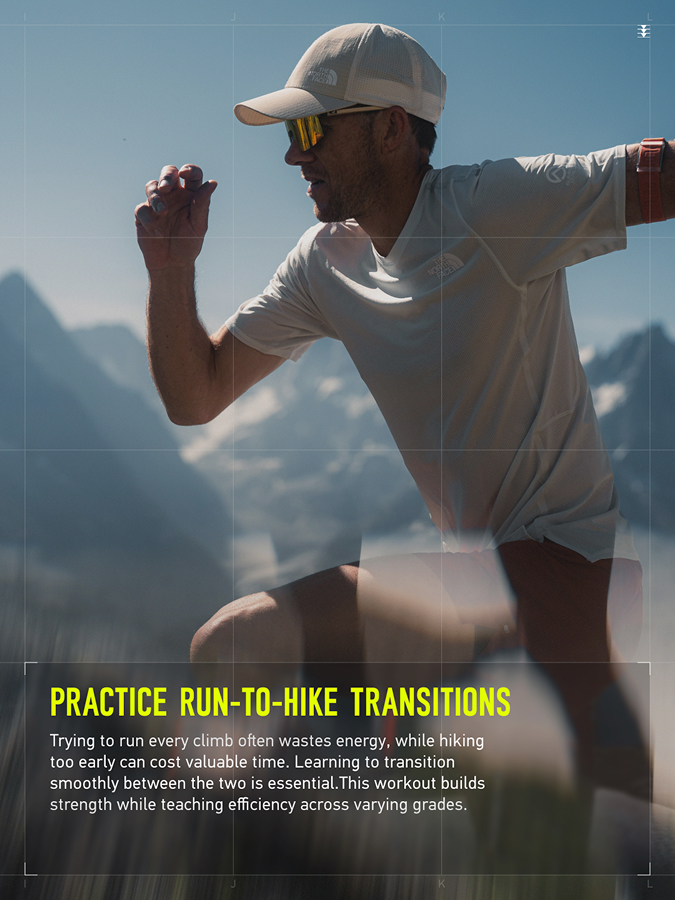
Trying to run every climb often wastes energy, while hiking too early can cost valuable time. Learning to transition smoothly between the two is an essential racing skill.
This workout builds climbing-specific strength in the calves, glutes, quads, and posterior chain while teaching efficient movement across varying grades.
COROS Focus
- Monitor heart rate during each transition
- Watch how quickly your heart rate stabilizes after switching between hiking and running
- Compare climbing efficiency across each repetition
When am I Improving?
- We want to see a quick heart rate recovery when moving to hiking, with the ability to get back into running quickly when prompted. The faster your heart rate recovers while still moving forward (when you transition from run-hike-run), the more trained you are from a cardiovascular perspective. Having the ability to switch gears quickly while your body adapts is critical for changing terrain.
3. Technical Descent Durability
Download Here
Warm-up
- 20 minutes easy plus mobility and downhill drills
Main Set
- 4–6 × 4 minutes on a technical descent (zone 2-3 effort)Focus on quick cadence, precise foot placement, and relaxed upper body
- Recover with 4 minutes easy uphill walk or jog in Zone 1–2
Why it Works
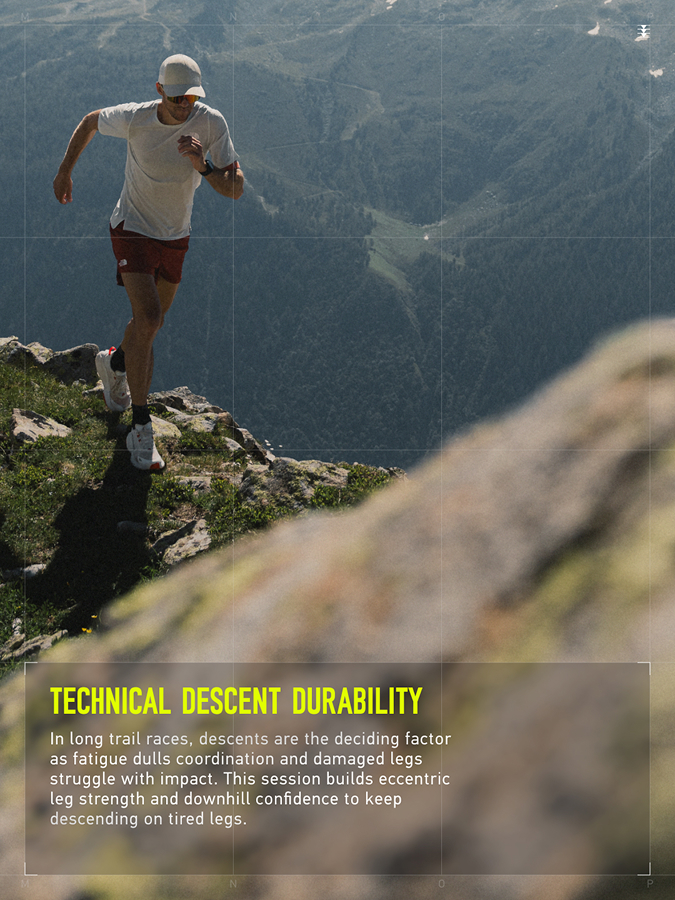
Late in long trail races, descents often become the deciding factor. Fatigue reduces coordination, foot placement becomes less precise, and damaged legs struggle to absorb impact efficiently.
This session develops eccentric leg strength, downhill confidence, and technical movement so you can continue descending efficiently even after hours on the trail.
COROS Focus
- Compare descent pace while maintaining similar effort
- Review lap consistency across repeats
- Look for smooth pacing rather than maximum speed
When Am I Improving?
- This is a great workout to repeat often. Monitor your average pace down the same path from workout to workout. The goal is to maintain the same effort, but see increases in pace. This shows your downhill efficiency is improving.
4. Climb + Descent Repeat Loop

Download Here
Find a 20–30 minute loop that includes:
- One sustained climb
- One technical or moderate descent
- One flatter transition section
Main Set
- Complete 3–4 loops
- Stay in Zone 2–3 throughout
- Climb with control, descend smoothly, and use the flatter terrain to reset before the next climb
- If no suitable loop is available, substitute continuous hill repeats.
Why it Works
You're constantly climbing, descending, recovering, and adapting to changing terrain. This workout closely simulates race demands by teaching you to manage effort rather than react to terrain.
The goal isn't to run every section at the same speed. It's to maintain the same internal effort throughout the entire loop.
This also creates one of the best opportunities to analyze your training afterward. Consistent laps, stable heart rate, and controlled pacing are signs you're developing the endurance needed for long trail races.
COROS Focus
- Compare each loop's average heart rate
- Track elevation gain per lap
- Look for fatigue drift by reviewing pace and heart rate across later loops
- Aim for consistent effort from the first lap to the last
When Am I Improving?
- While weather and conditions can impact this, it's best to look at your overall pace on each loop. Assuming youre maintaining the same effort (heart rate), this is a great indicator that you're improving in your fitness and efficiency.
Train Smarter, Not Just Harder
The best trail runners aren't defined by one strength. They're capable climbers, confident descenders, efficient hikers, and disciplined pacers.
These four workouts develop those skills individually while helping you better understand how your body responds to changing terrain. Over time you'll learn to pace climbs more effectively, transition seamlessly between running and hiking, descend with greater confidence, and maintain consistent effort over long days in the mountains.
Complete these sessions consistently, review your data after every workout, and use those insights to refine your training.