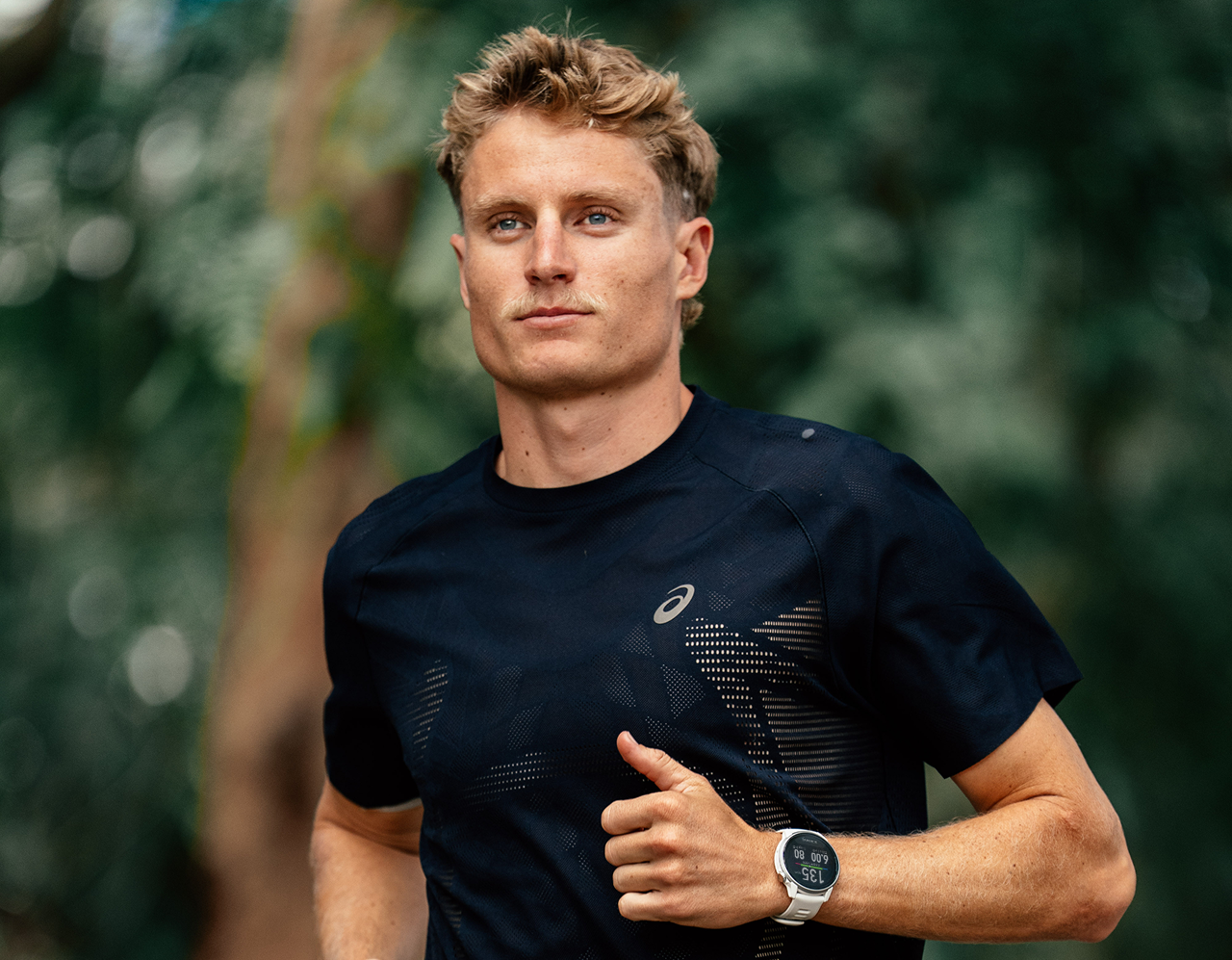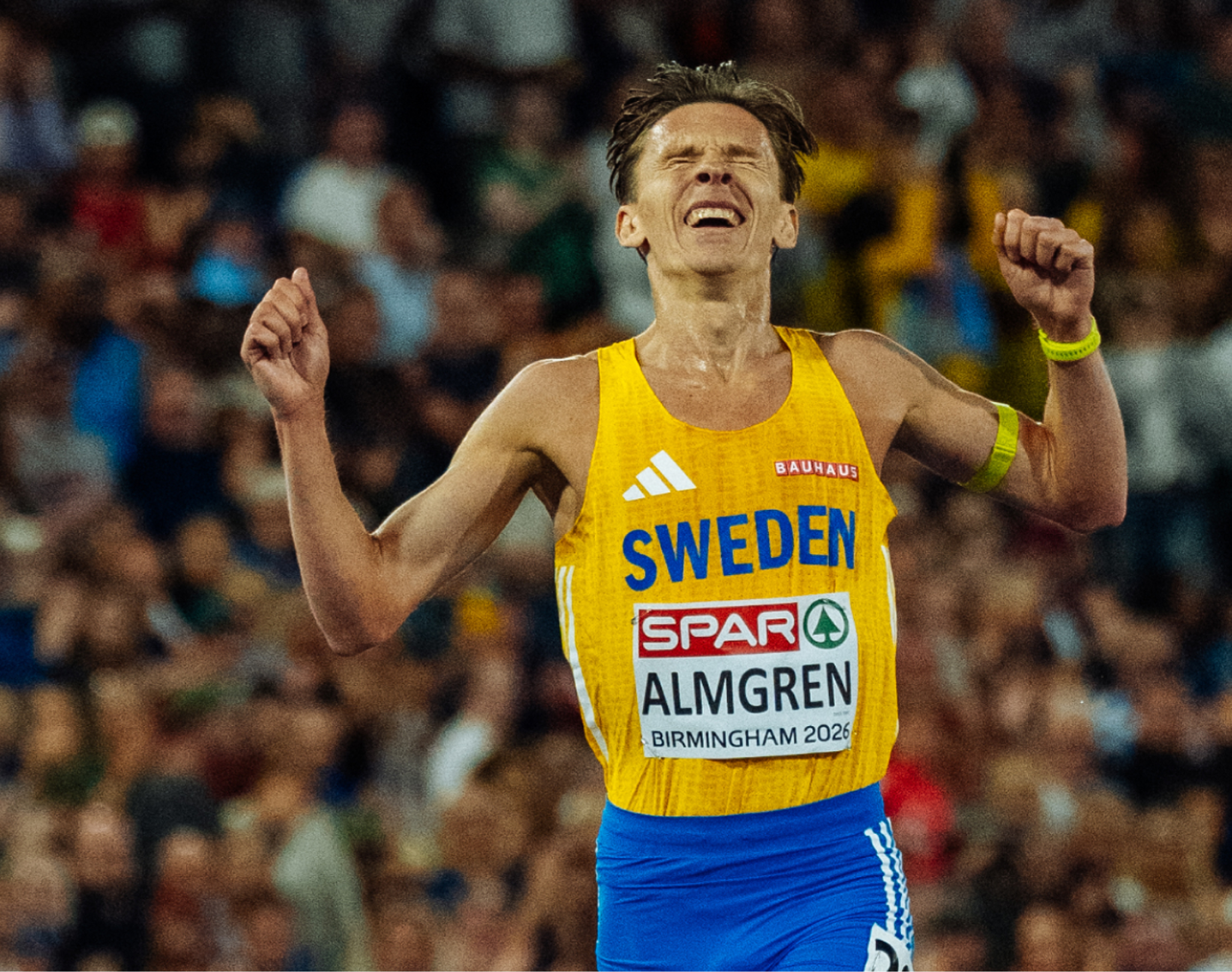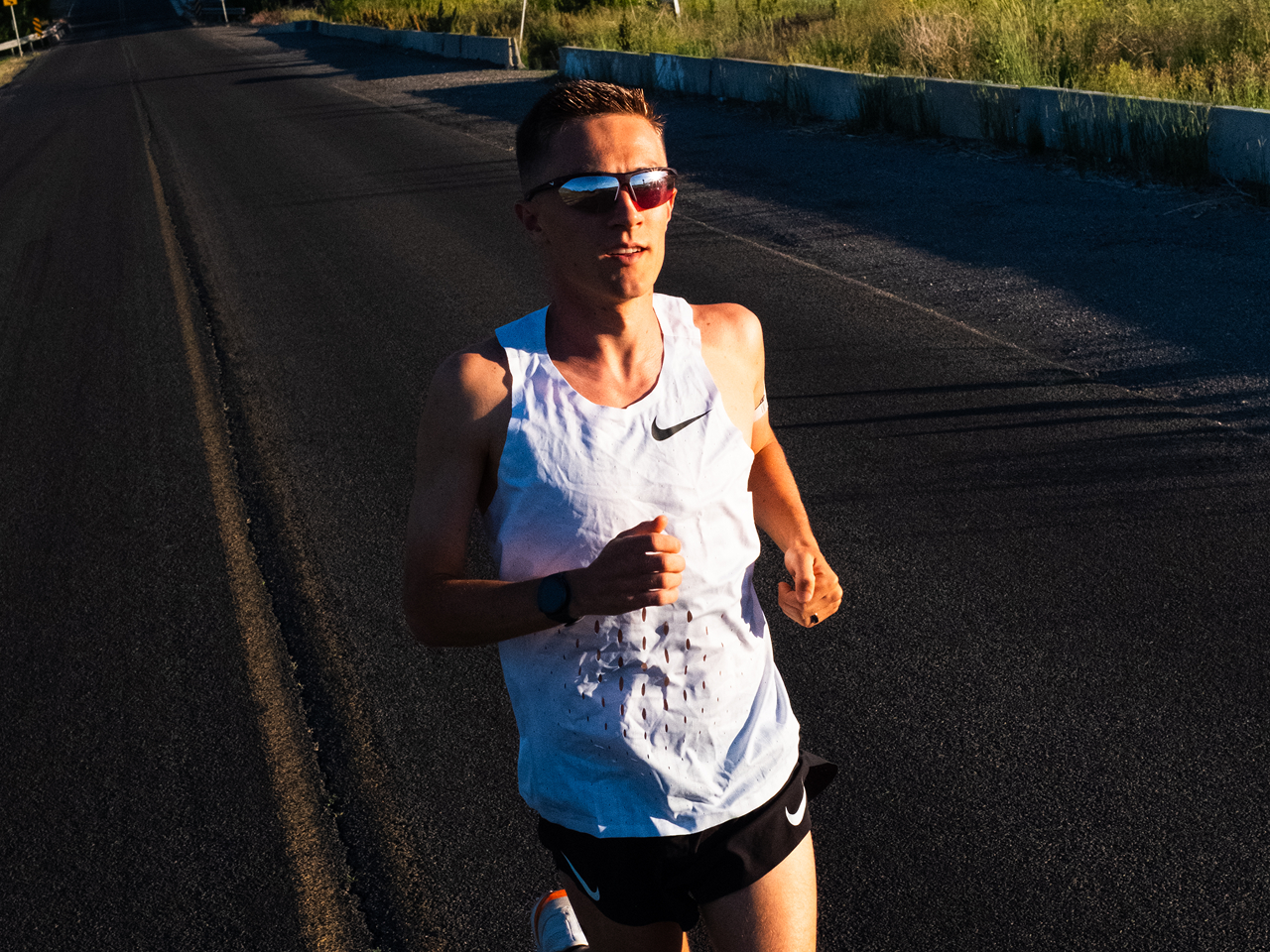


Cam Myers has cemented himself as one of the most exciting middle-distance talents in the world. At 19 years old, he’s already breaking records and showing what’s possible when patience, aerobic development, and smart training come together.
Behind the fast times and fearless racing is his philosophy: focus on precision, consistency, and use data intelligently. Cam Myers' training places focus on aerobic strength, race-specific intensity, and keeping a close eye on how his body responds to training.
Take a full look inside Cam Myers’ training and learn how careful pacing, consistent volume, and targeted intensity combine to make him a rising star in the middle distance scene.
Keeping the Main Thing the "Main Thing"
After a breakthrough season, Cam hasn’t felt the need to overhaul his training. Instead, the focus has been on consistency and slight refinements, continuing to build on the foundations that delivered results.
“The one thing we took from last year is we wanted to keep the main thing the main thing."
That “main thing” is a strong aerobic base. Rather than chasing constant high-intensity sessions, Cam balances endurance, speed, and anaerobic work in a way that ensures progression without overtaxing the body.
“We’ve got a pretty strong aerobic emphasis. A good amount of threshold, a good amount of easy running, and a fair amount of VO₂ max work.”
Myers regularly averages around 75 miles a week with a TL total of over 1,100 when building his Base Fitness. In most weeks, his load is equally split between hard and easy running. Every step is intentional; there's no wasted effort or "junk miles" in his programme. The emphasis is on quality rather than volume.
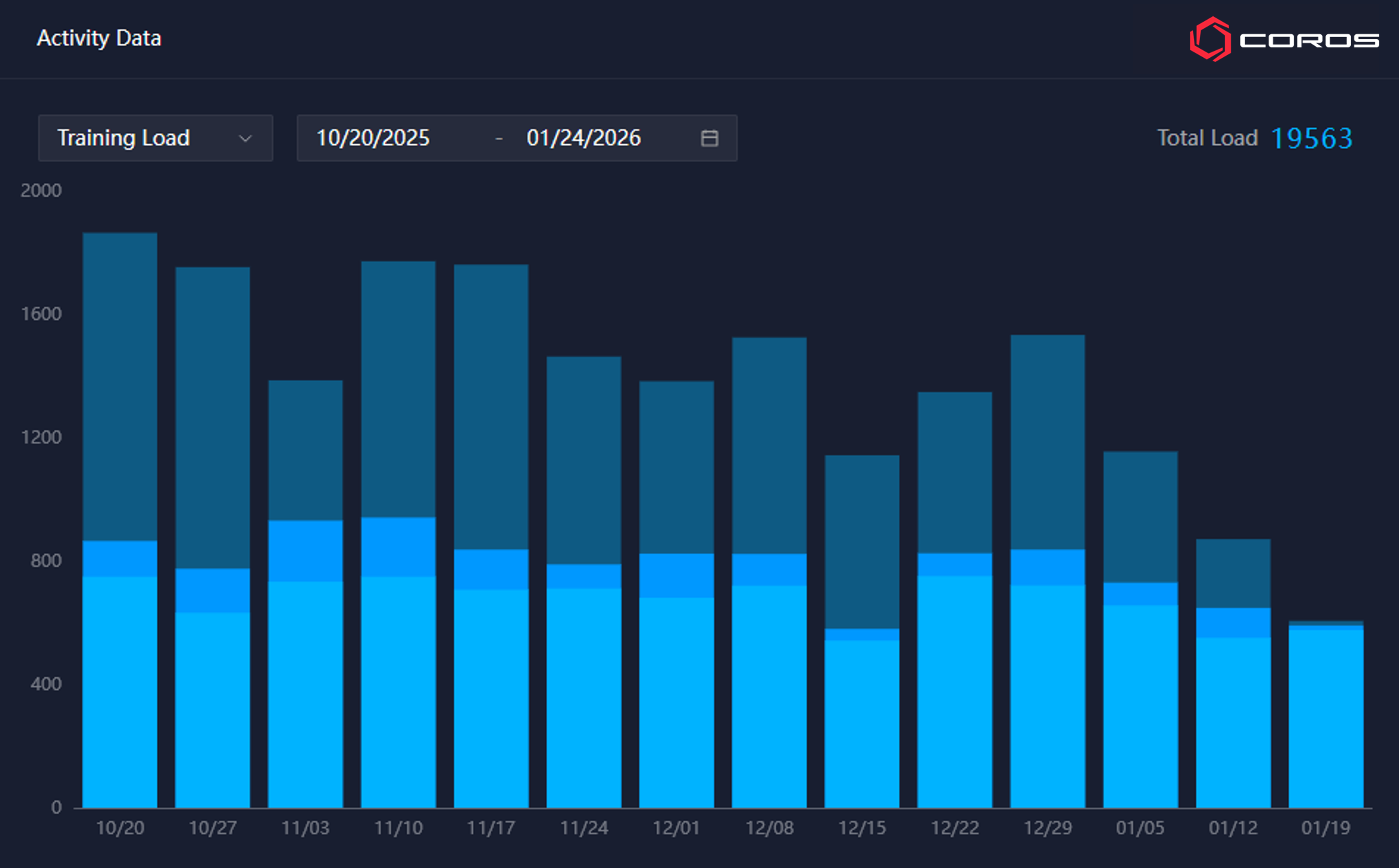
The hard work reduces as Cam gets closer to racing season.
Understanding Heart Rate and Effort
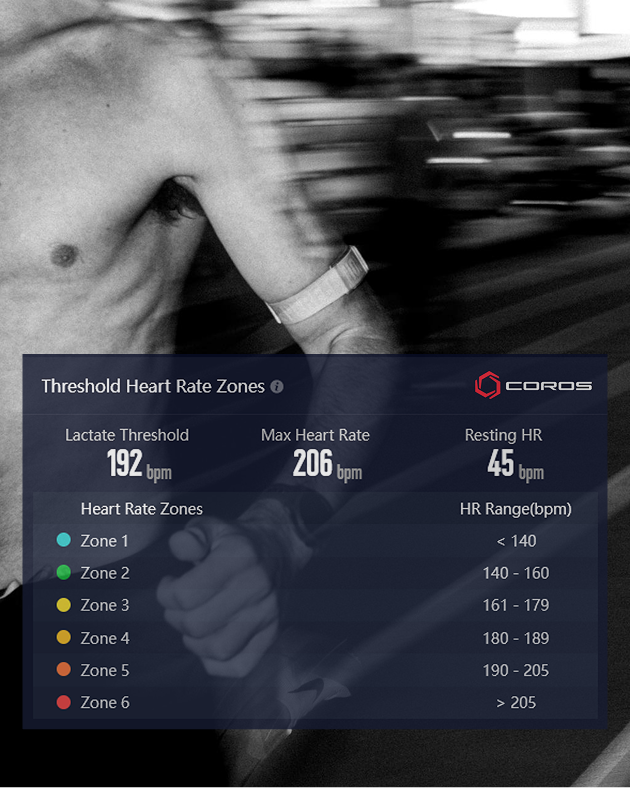
Cam naturally runs with a higher heart rate than many athletes. Regularly averaging 185-190bpm during threshold work sustaining paces of over 20.5km/h. But rather than being alarmed by the numbers, he uses them in context.
"I’ve done lab testing and lactate measures, so I that if I’m running at a heart rate of 190, my lactate is probably only around 2.5mmol/L, which might not indicate overreaching. I log all zones and monitor trends so I can push sessions effectively and recover fully."
Recent testing has shown positive trends, with heart rate responses becoming more efficient as fitness improves.
“My heart rate has come down quite a lot over the last six to eight weeks. Everything’s calmed down by about 10 beats, even though my max is still pretty high.”
By collecting the most accurate heart rate data with the COROS Heart Rate Monitor, Cam ensures his data reflects his physiology. This keeps him honest during easy runs and controlled during harder efforts.
Floating Efforts
One defining feature of Cam’s training is the use of "float" recoveries during his workouts. These efforts move above and below his threshold to stimulate high-end aerobic development with race-specific efforts without accumulated fatigue or mechanical overload.
“My coach is a physiologist, and pretty old school. He really likes the idea of going above threshold, then coming down to threshold or just below and maintaining that."
The result isn't just a physiological one. Tactically, these sessions simulate the demands of racing, where changes in pace happen under fatigue.
“When you’re racing, you’re already tired and you’ve got to respond to a move. Doing hard reps when you’re already fatigued gives you that ability to respond.”
Lessons for Runners Chasing a Fast Mile
One of the biggest pitfalls Cam sees is athletes becoming too attached to hitting exact splits, regardless of how they feel.
“If you feel off, having the confidence to cut the distance or increase recovery, whilst keeping the speed the same, is really important. If I don’t hit a split, I don’t hit a split.”
The goal isn’t to win the workout, but to stay consistent and string sessions together over weeks and months.
“If you need three or four days to recover from one session, are you really profiting more than someone who can do it again two days later?”
That mindset, adjusting sessions while maintaining intent, is where data provides an essential component to gain valuable feedback to make informed decisions to improve your performance.
Measuring Progress Over Time
Progress is something every athlete wants to see. Rather than relying on a single benchmark workout, Cam uses select races and COROS to ensure he is on the right track throughout the season.
Comparing year-over-year performances helps confirm whether fitness is moving in the right direction.
“Running 7:27 for 3,000m compared to 7:33 last year gives me a good indication that the ceiling is now higher to begin the season”
For Cam, those trends are captured in his Base Fitness chart, helping him turn training into long-term progress.
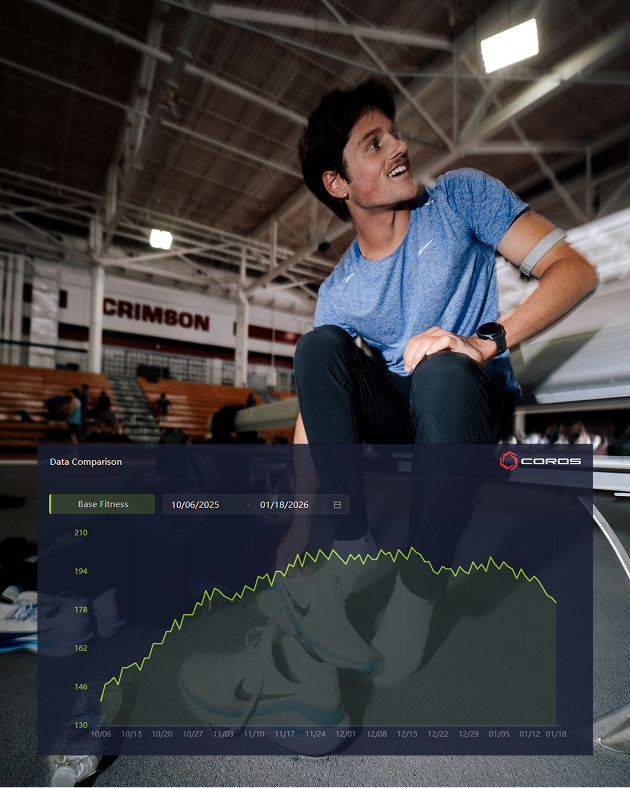
"If your base fitness is trending up, it gives you a higher ceiling to be able to do the specific intense stuff. And sometimes when you start specific work, those trends might dip, but that’s not a bad thing.”
How is Base Fitness calculated? Base Fitness is a weighted 42-day rolling average of your Training Load scores. Since many adaptations take 6 weeks of training to fully arrive, this metric accurately reflects your current fitness.
Train with Purpose
Cam Myers’ approach to training is a reminder that speed doesn’t exist in isolation. It’s built on aerobic strength, intelligent pacing, and a clear understanding of effort. With data from COROS, Cam ensures every session serves a purpose, bringing him one step closer to his fastest mile yet.