

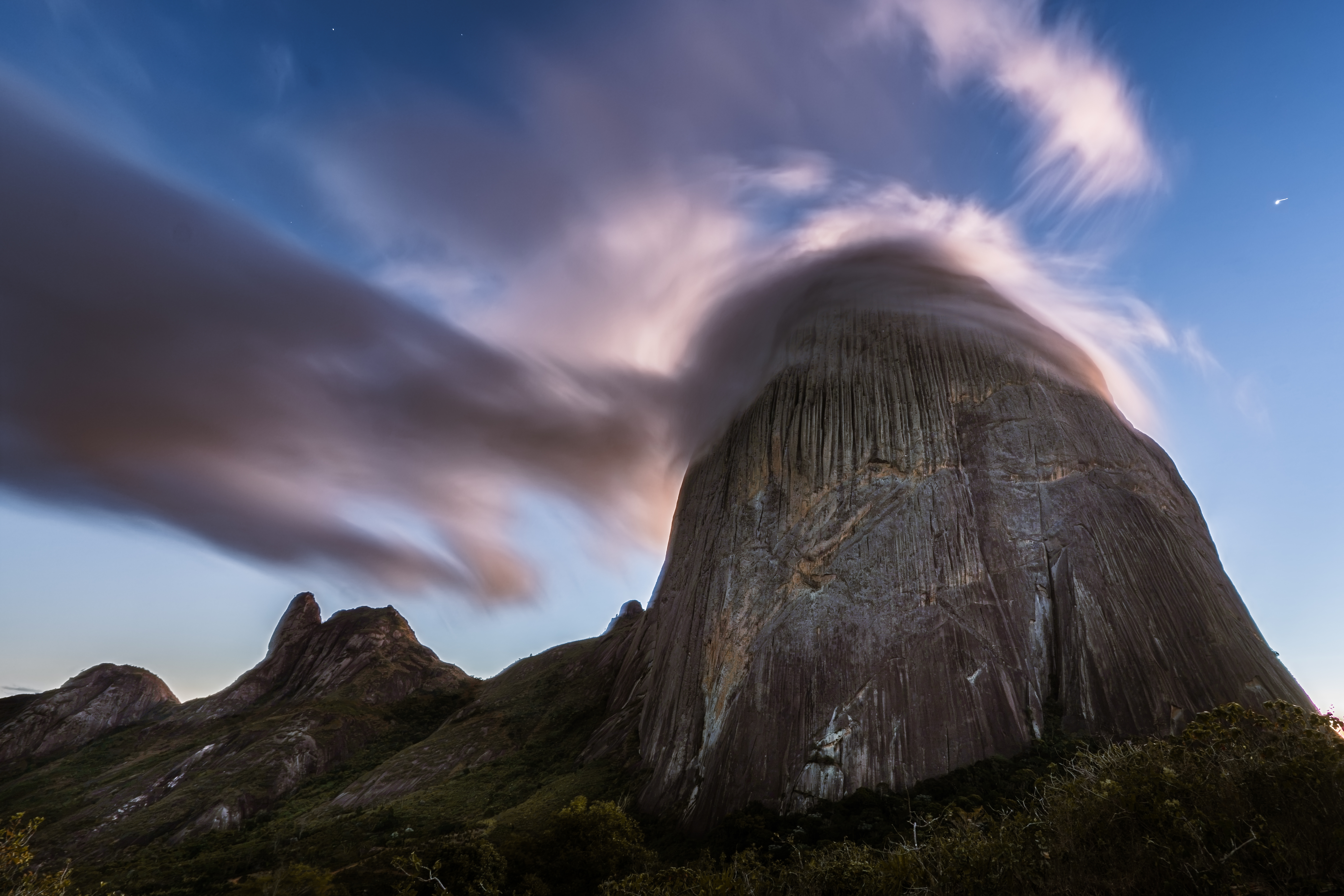
In August 2026, Laura Pineau took a climbing trip to Brazil with a unique goal in mind. No all-women team had ever established a big wall route in the country, and she meant to be the first. Fifteen days, twenty-three pitches, and one eight-meter fall later, five women had put up something Brazil had never seen.
Building the Team, Making the Plan
The idea had been sitting with Pineau since her first season in Yosemite, when she heard about Brazil's granite big walls and knew she had to see them herself. "That's when I learned that an all-women team had never opened a big wall route in Brazil before," she says. "And I thought: okay, let's gather a team and open some new doors for women in Brazil."
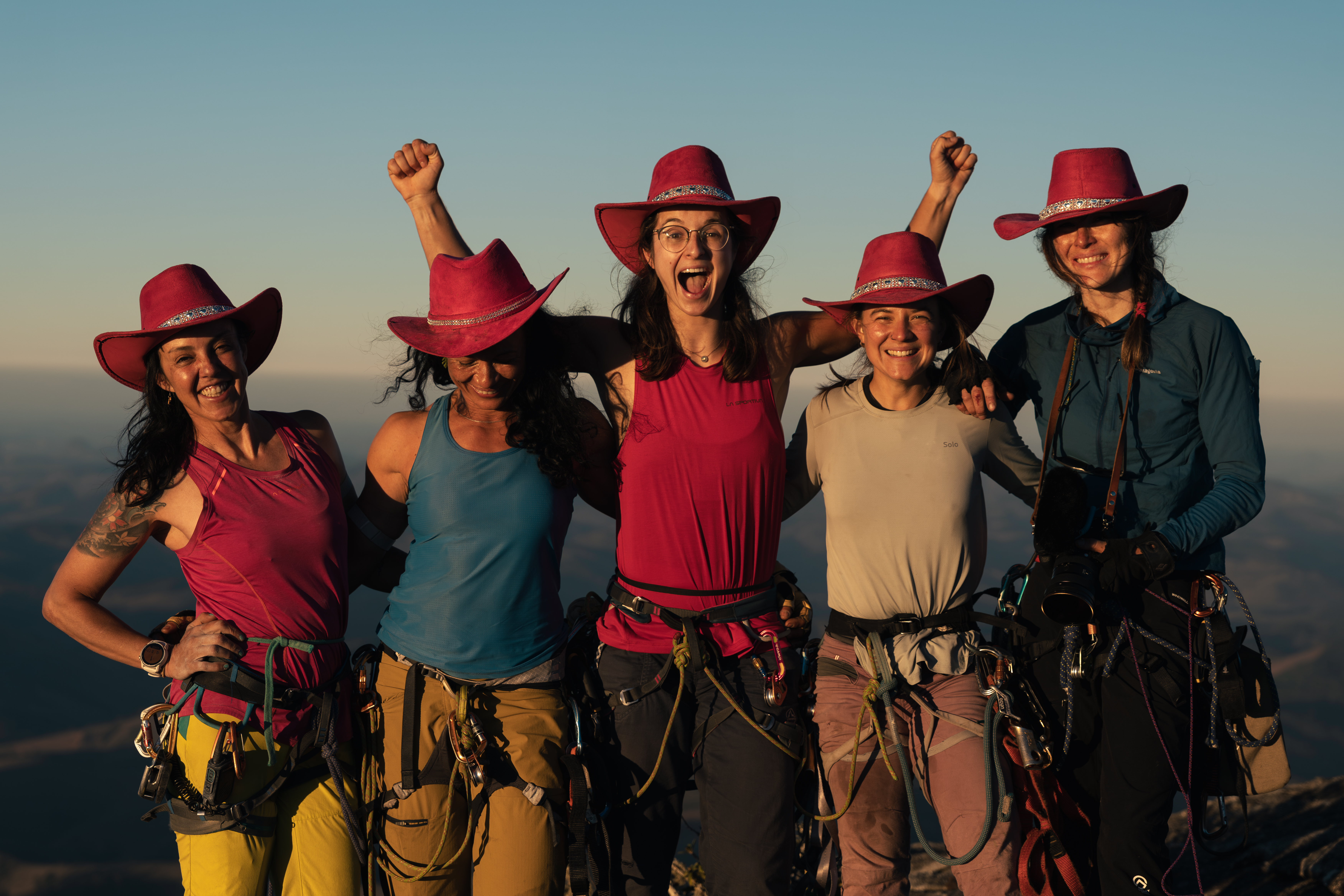
Making that happen meant assembling a team of climbers: Gisely Ferraz, Danielle Pinto, Julia Trojan, and filmmaker Miya Tsudome. "I wanted people who really, really wanted to climb a big wall," Pineau says. "And sometimes, that's exactly what you need."
Establishing a new route on Pedra Baiana
Pedra Baiana is an 800-meter granite monolith in Minas Gerais, its face cut by quartz dikes and long natural runnels rather than the clean crack systems climbers find in Yosemite. This area only recently caught the eyes of serious climbers: the wall's first free route, Sangre Latino, wasn't established until 2016 by a joint Brazilian-Argentine team, followed by a second line, Runnel Vision, in 2019. Even now, Pedra Baiana holds few known routes, a wall still mostly blank by the time the team arrived to piece together a new one, pitch by pitch.
Perfeita Sintonia
- Pitches:1–9
- Vertical: 1082 ft
The first few days were about getting off the ground: fixing ropes, cutting a trail to the base, scouting the line from below. The team split into pairs and rotated, two climbers pushing the wall each day while the other two rested, then swapping the next morning. It was as much a recovery plan as a work schedule.
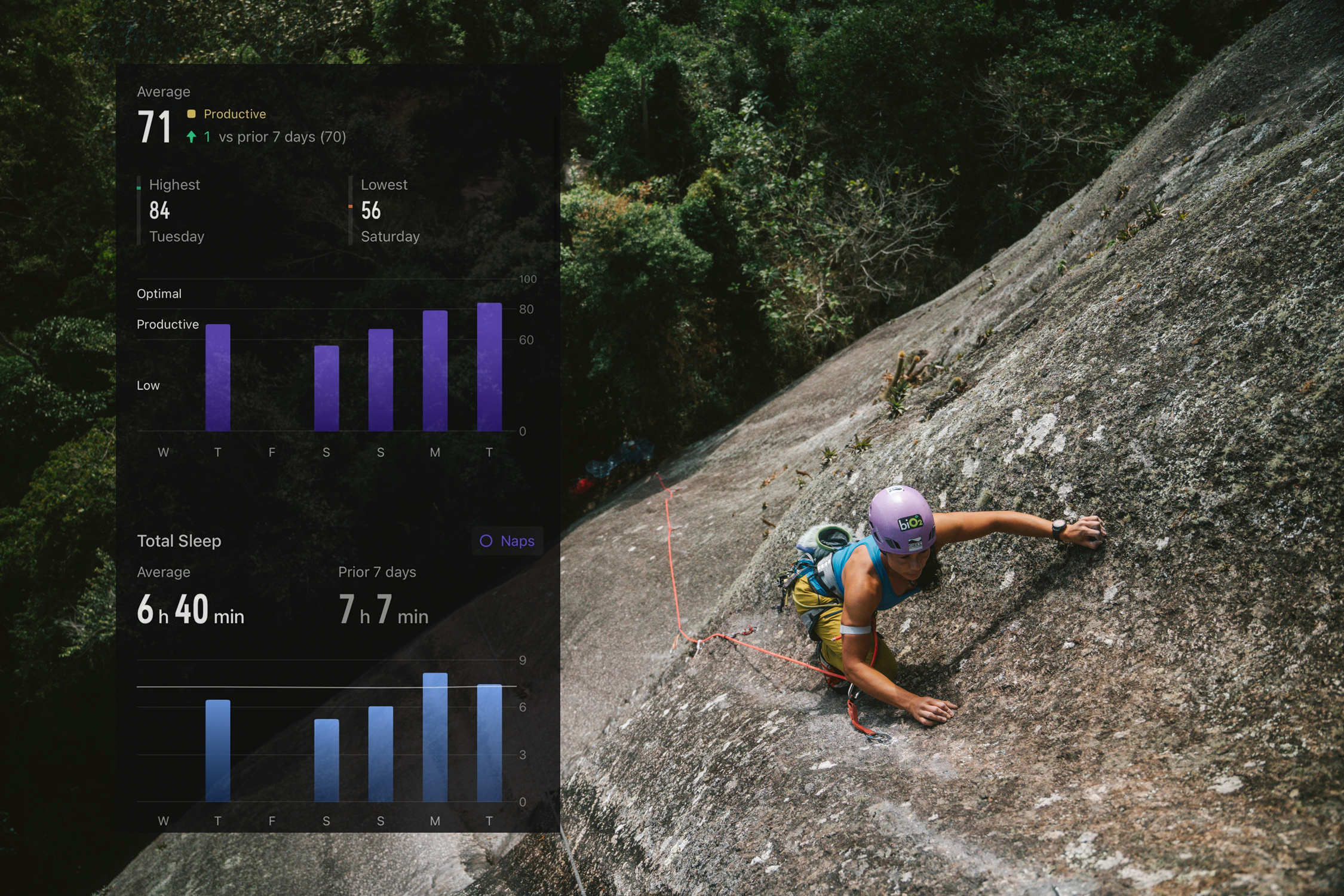
Sleep was the number that told Pineau whether the rotation was actually paying off. She aimed for seven hours a night even on her rest days, and her watch was, in her words: "very good at showing me that my definition of 'sleeping well' was becoming increasingly optimistic" once the wall days stretched past 13 hours. Even split in half, the work outpaced the rest.
The Headwall
- Pitches: 10–17
- Vertical: 908 ft
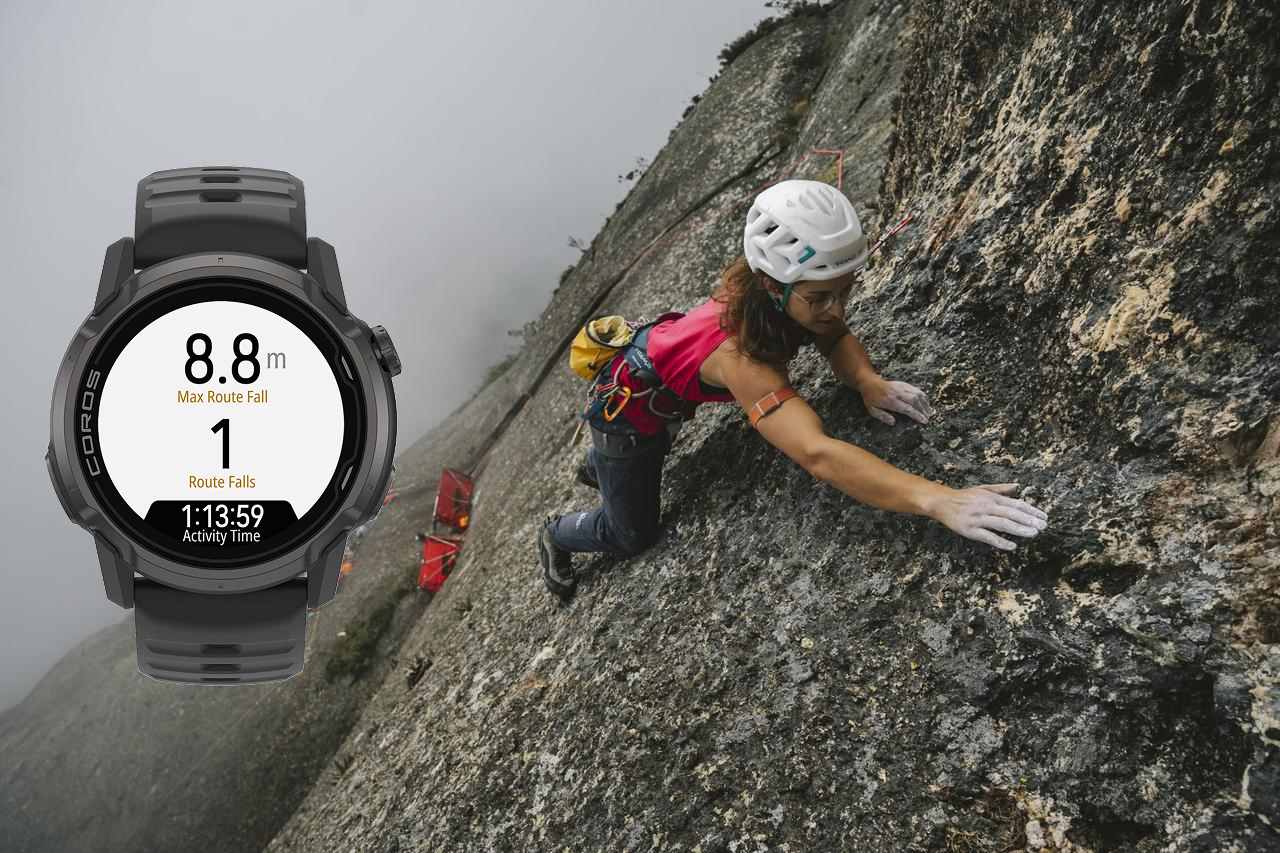
Halfway up, the wall stopped cooperating. Several lines opened up with no way to know whether the route needed a hard traverse right or a straight shot up. The hardest of those calls came after five hours of aiding one pitch, exhausted and dehydrated, in the kind of "almost finished, I'll just keep going" mindset that gets climbers hurt. Reaching for the anchor stance, Pineau's protection popped and she fell upside down. "Probably the scariest fall of my life," she says. Her APEX 4 recorded a lead fall of 29ft.
UPPER SLAB
- Pitches: 18–22
- Vertical: 656 ft
By this point, weeks of hauling, drilling, and jumaring had caught up with everyone. Nobody could remember the last full rest day, and every pitch cost more than it should have. Pineau could see it in her overnight HRV before she felt it. "This data gave me a good idea of how exhausted I was going to be after a huge day on the wall," she says. "My HRV would drop significantly after the biggest days and then slowly come back toward my average." But for the first time, the completion of their project was in sight. One sunrise from that ledge brought Pineau to tears, "one of the most beautiful moments of my life."
Sintonia
After 15 days, the team completed their objective and established a new route on Pedra Baiana. They named the route Sintonia: Portuguese for harmony. It's the perfect description for what they accomplished over three weeks of hard work: turning near-strangers into a team that trusted each other's judgment, call after call, all the way to the top. That's the part of this project Pineau hopes outlasts the route itself, proof enough for more female climbers to set their own goals, and reach them.
Sintonia now stands as an invitation for other climbers to go carve their own paths and claim their own space for women in the sport.