


While running may be your primary focus, cross-training offers a smart way to enhance performance, reduce injury risk, and bring variety to your training. Whether you’re in the off-season or looking to complement a heavy training block, adding non-running workouts can help build a stronger, more resilient athlete.
Why do Runners Cross-Train?
Running is a high-impact, repetitive sport. Over time, this can lead to muscular imbalances, mental fatigue, or overuse injuries. Cross-training engages different muscle groups and movement patterns while keeping your aerobic engine active.
This can help:
- Reduce injury risk: Non-impact activities like cycling, swimming, or rowing reduce stress on joints and soft tissue while maintaining Training Load.
- Prevent burnout: Mentally, switching gears can keep motivation high, especially during colder months or after a demanding race season.
- Enhance overall fitness: Cross-training can improve strength, mobility, and aerobic capacity, all of which benefit running performance.
Off-Season Cross-Training Plan
COROS Coaches have created an 8-week off-season cross-training plan designed to help runners maintain fitness with variety and flexibility. The focus isn't on weekly mileage but on staying active for certain amounts of time.
Download the 8-Week Cross-Training Plan
Each week includes:
- Heart rate-based runs to keep intensity low and support recovery.
- This plan uses cycling activities, but any cross-training activity can be substituted in its place.
- Strength, mobility, and core exercises to keep your fitness well-rounded.
- One full rest day per week to support recovery and adaptation.
Like all COROS plans, the calendar is flexible and you are free to move workouts around within the week to meet your scheduling needs.
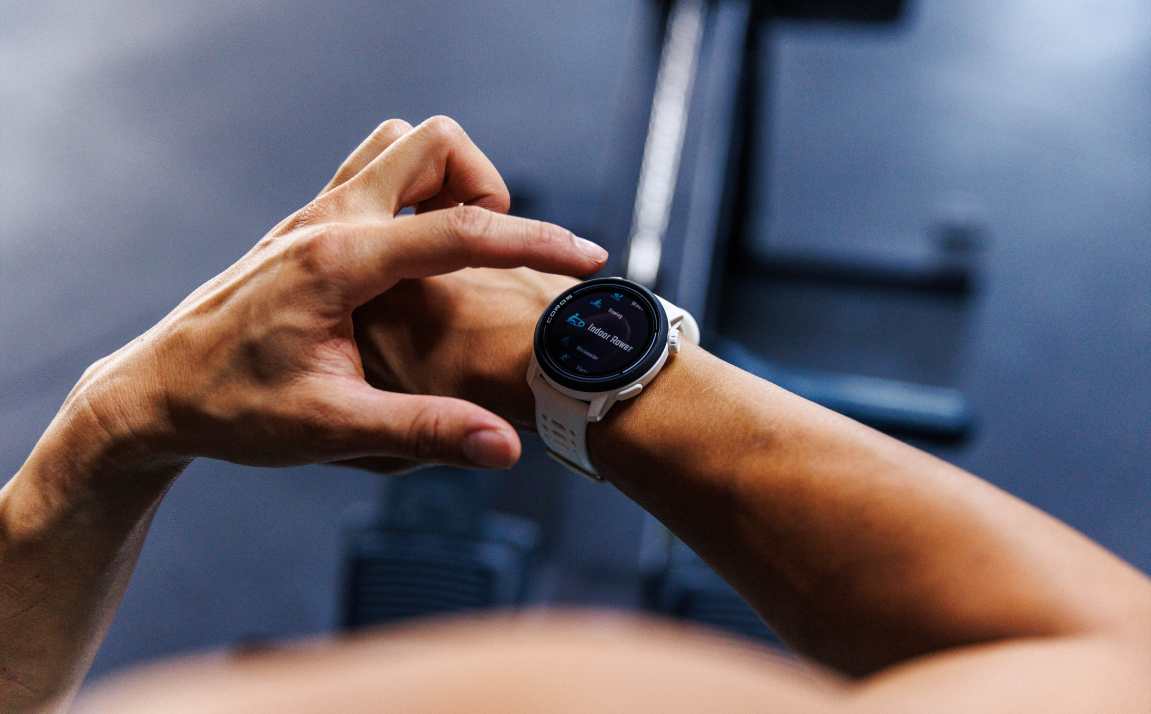
In-Season Cross-Training
When training for a road, trail, or track race, running obviously takes center stage. However, many athletes still prefer to include cross-training activities for a variety of reasons. Typically, this involves substituting an easy run in Zone 1 or 2 with a cross-training activity of equal time and intensity. For example, instead of a 30-minute Zone 2 run, someone may do 30 minutes on the elliptical in Zone 2. Replacing threshold, interval, or race-pace sessions isn't as common, since athletes are targeting running-specific adaptations during those workouts.
Cross-Training During Injury
Many runners will turn to various forms of cross-training when they are injured, as a way to stay active and maintain fitness. This varies dramatically case-by-case, since different injuries will limit your body in different ways. So while full-intensity training on the bike might be okay for some, it may be detrimental to recovery for others. Make sure to consult with your physician to find what activities (if any) you should be doing while recovering from injury.
How to Track Cross-Training with COROS
Custom Activity
If you enjoy activities that aren't on your watch, you can easily create a custom workout mode for these activities so that you can track your performance!
Extender
When training indoors, you can use the COROS Extender feature to view real-time data (like heart rate or pace) right on your phone. To get started, choose an activity on your watch, then open the COROS app and tap the watch icon in the upper left-hand corner.
Read More: For more tips on how to enhance your training indoors, check out this article!
Training Load
Training Load gives you a way to compare effort across different types of exercise, whether you're running, cycling, swimming, or strength training. By quantifying how much stress each session places on your body, it creates a unified metric that makes cross training measurable. This allows you to keep tabs on your overall workload and see how your long-term fitness is adapting, even during the off-season. Tracking all your activities (not just runs) ensures your data stays complete, so you can make smarter decisions about how to train and recover.
COROS Education: If cross-training during your off-season, it’s normal for Base Fitness to decline slightly. This reflects a deliberate reduction in training load to ensure you are recovered before the next training block. When cross-training, aim for a similar Training Load value to an easy recovery run, not a hard in-season workout.
Choose Activities You Enjoy
The key to cross-training is to enjoy it. If running is your favorite sport, choose your second favorite. When training is fun, you are more consistent (and even in the off-season, consistency is king). By maintaining movement during the off-season, you’ll return to your next training cycle stronger, healthier, and more motivated.
/filters:quality(90)/fit-in/576x432/coros-web-faq/upload/images/faef3ea2aec4ee6a297ea30d67431ec9.png)
/filters:quality(90)/fit-in/576x432/coros-web-faq/upload/images/5048d6364c5105657294ad180498c0e6.png)
/filters:quality(90)/fit-in/576x432/coros-web-faq/upload/images/cf1ab2a6d20abf7cf3fe7289937303bb.jpg)
/filters:quality(90)/fit-in/576x432/coros-web-faq/upload/images/f3094db0f5ce04de9b863bfea8cefcba.png)
/filters:quality(90)/fit-in/576x432/coros-web-faq/upload/images/0dda9c8bab5c2d69d3fee6e927be88ce.png)
/filters:quality(90)/fit-in/576x432/coros-web-faq/upload/images/464e1c339c14f437d3bed95ea885c76f.png)
/filters:quality(90)/fit-in/576x432/coros-web-faq/upload/images/bb3f10fbc33dbe425098d0ad9e0388db.png)
/filters:quality(90)/fit-in/576x432/coros-web-faq/upload/images/66cadea87fe7cdccd30f39cbf8cc757d.png)
/filters:quality(90)/fit-in/576x432/coros-web-faq/upload/images/a2cbdcb8b6c7e0a52a3e91f68f5f30fd.png)
/filters:quality(90)/fit-in/576x432/coros-web-faq/upload/images/0df9e231b9352e5242d5f4f8c6c26e79.jpeg)